Coffee with OKRs #42 · 5 min read
Going organisation-wide looks faster. In practice a pilot delivers conclusions sooner
Eighty leaders to introduce to the method before anyone writes the first objective. More than a dozen weeks of preparation alone. Around ninety objectives to align with one another, in a company that gave as its reason for implementing precisely that it finally wanted to get aligned. That is what the road chosen because it looks faster looks like from the inside.
From the episode · in Polish
The whole organisation or a pilot, and why intuition misleads you here
The episode starts with the question of how wide to go in, and ends by turning round the intuition it started with. Along the way come examples from organisation-wide implementations and an account of how much management work each of the two options creates. The part about what a pilot really is, and what it is not, starts after the fortieth minute, and the summing up of the whole dispute comes in the last quarter of an hour of the conversation. from 00:57:26
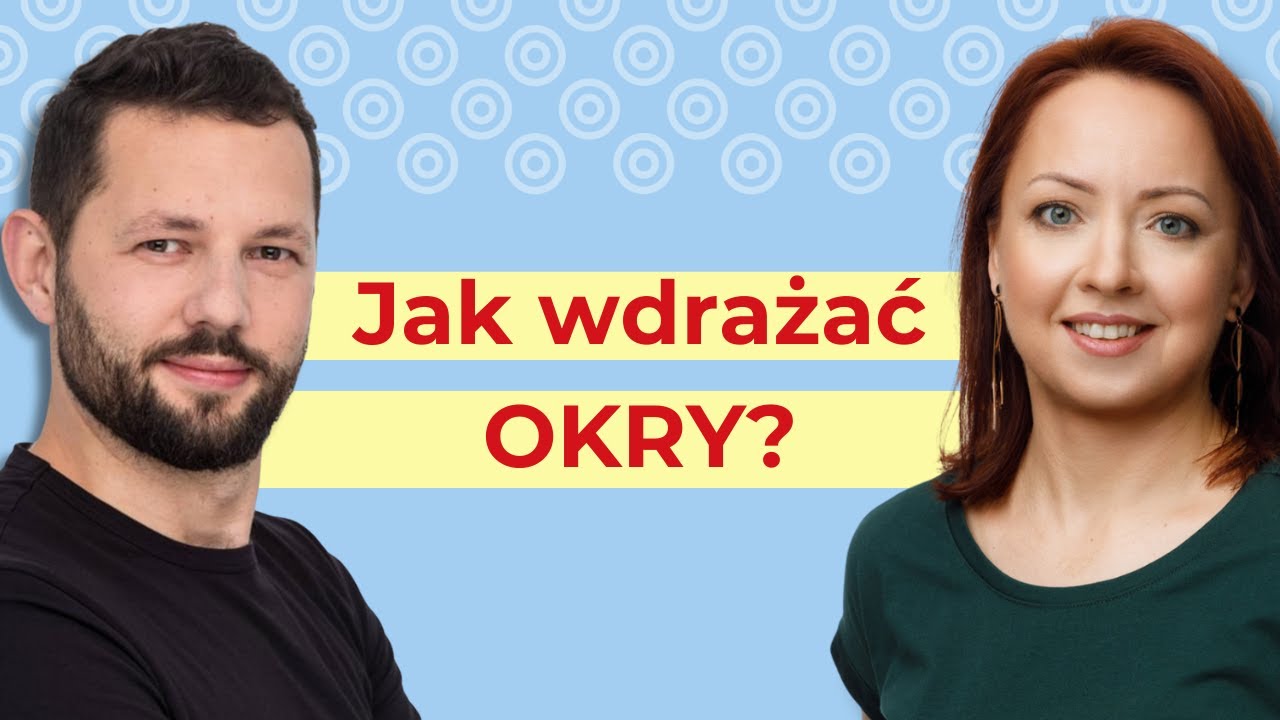 The recording is being edited. Leave your address and you'll get the link when it's ready.
The question usually sounds simple: do we go into the whole organisation or start with a piece of it. Intuition says the whole thing, because if it has to be done anyway, better to do it once and properly. This episode starts from that intuition and ends by turning it round. Going in across the board takes more than a dozen weeks of preparation alone: building a transformation team, training twenty, thirty, forty leaders, and once there were eighty of them, and planning out the process. Then several dozen objectives have to be aligned with one another. Instead of one fire in one area, we get a whole forest burning at once, and all of it has to be dealt with at the same time. On top of that comes a risk you don't see in the schedule: a failed organisation-wide launch puts people off and slows down the next attempt.
A pilot is faster, because it yields conclusions faster, but only if it isn't what its name suggests. It isn't a test on something less important, nor an implementation in one department. It is choosing the one thing that matters most to the organisation and focusing all attention on it: one or two objectives for one or two quarters. Around such an objective you gather a working group with the competences it needs, but you don't take people out of their functions full time; you carve out time for them by putting the rest of their work in order. At a small scale you see more, and the conclusions come earlier. In the meantime the rest of the organisation gets metrics and ordinary tidying up of work, so that the day-to-day doesn't collapse.
Under this choice lies an assumption from which everything else follows. OKRs are for operationalising strategy and for quickly testing strategic assumptions, not for tidying up the day-to-day. Hence a conclusion that sounds uncomfortable: not everyone in the company needs their own objective, although everyone works towards an objective indirectly. Covering the organisation in a web of objectives ends in what the numbers from one implementation show: the top wrote a few objectives, each team added five, and there were around ninety of them. Writing objectives per department also entrenches the existing structure and comes down to finding work for everyone, instead of asking what the organisation wants to achieve and whom it needs for that. Objectives like these come out operational, and there are tools better suited to optimising processes.
An implementation is change management, not an exercise in a method
The biggest cost of going organisation-wide isn't in the objectives. It is in the fact that the company then runs two systems of work at once: the old one, which is already a habit, and the new one, which isn't yet. It ends either with the objectives dying or with a lot of frustration. There is one way out, and it isn't glamorous: audit the existing meetings and build work on objectives into what already happens in the company, instead of launching a second circuit alongside it. This applies to the board too, because a board working the old way while the rest of the organisation switches to a new rhythm cancels out the whole change.
The second thing looks like a detail but is a fundamental difference. An implementation exposes dysfunctions and forces decisions about people and processes, but you may only fix what stands in the way of the objective. If the strategy leads into a new market, we don't fix the department serving a market that will be wound down anyway. Some changes also happen without a separate initiative, because working on an objective polarises people in a good sense: they start to see for themselves that something is missing, and either get more involved or drop out. We say all this with a caveat that is stated plainly in the episode: our conclusions are based on experience from around twenty organisations, and beyond that limit guesswork begins.
Takeaways
Four things that decide which road to take
- 01
The shortcut costs more than a dozen weeks
Going organisation-wide needs a transformation team, training for several dozen leaders and alignment of several dozen objectives. It isn't faster, it is just done all at once.
- 02
A pilot isn't a test on something unimportant
Nor an implementation in one department. It is one or two objectives for one or two quarters, around the thing that matters most to the organisation. The name misleads, which is why it has to be explained every time.
- 03
Not everyone needs their own objective
Objectives per department entrench the structure and come out operational. The question isn't what to assign to each team, but what the organisation wants to achieve and whom it needs for that.
- 04
Fix only what blocks the objective
An implementation will drag more dysfunctions into the open than you can handle. Say plainly what you are deliberately not fixing, because otherwise the implementation turns into a renovation of the whole company.
The whole topic in one place
OKR implementation in a nutshell
Choosing the scope is one of several decisions made right at the beginning, and it is easiest to make when you can see the whole road. We described the course of an implementation, from the first conversation about strategy to the work with teams, in the text that brings this thread together. There you will also find the other episodes in this series, each with a short note on how it differs.
Author


Lena Zhukova
founder; strategy workshops, quarterly sessions
Founder of OKR Poland. For twenty years she has worked with boards of companies from 30 to a few thousand people; she wrote dozens of strategies with them and helped implement them in more than 40 organisations.
Next texts by e-mail
The OKR Poland newsletter
We write when we have something to say. To start: eight hours of recording on preparing a company for strategy workshops, plus the OnePager.